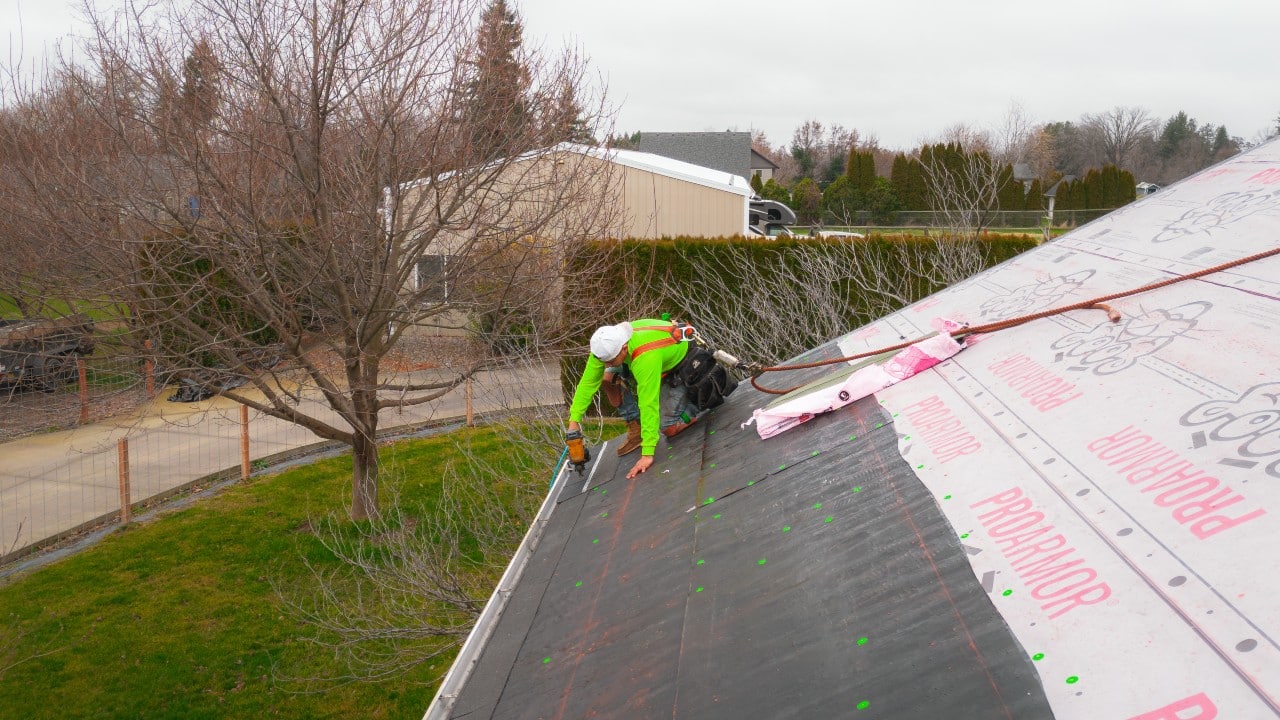
You walk out to your driveway and see a cluster of dark granules near the downspout. You realize it’s your roof breaking down. Is this a minor roofing job or a sign of structural failure?
The initial shock quickly turns into a search for a residential roofing company that will treat you right.
According to Today’s Homeowner, about 40% of homeowners expect to need a new roof within five years. Many owners assume every leak requires a massive financial investment. Understanding the distinction between aesthetics and structural restoration is the first step toward improved safety.
Choosing the wrong service category leads to lingering water damage and voided warranties. Reliable restoration requires professional transparency and specialized equipment from a qualified roofing contractor.
This guide clarifies service differences to protect your investment. This includes:
- Distinguishing between simple shingle fixes and hidden decking rot.
- Why minor leaks often mask significant underlying moisture problems.
- Working through the insurance claim process for major storm restoration.
- Questions to ask a roofer before authorizing any work.
What Counts as Residential Roof Repair?

Residential roof repair corrects isolated issues without disturbing the entire system. Services address specific failure points, such as cracked pipe boots or slipped shingles. A targeted fix from a local contractor extends the roof’s life at a fraction of the cost.
Common Minor Fixes and Maintenance
Shingle replacement involves removing damaged pieces and installing new ones. Technicians also look first at flashing repairs to reseal areas around chimneys, skylights, and vents. These transitions are necessary for preventing water from bypassing your primary roofing material.
Minor leak fixes require locating the exact intrusion point and sealing it professionally. Vent and penetration resealing makes sure your house remains watertight at every opening. Addressing these gaps prevents moisture from reaching your attic and causing internal damage.
When Repair is Cost-Effective
Repair is the best choice when damage is limited to a small, isolated area. If your roof is under 15 years old and in good condition, a patch is a smart investment. This can save thousands of dollars while maintaining your home’s structural integrity.
Storm-related spot repairs are highly effective for otherwise healthy systems. According to Bankrate, the average cost for roof repair and maintenance has increased by nearly 30% recently. Fixing minor issues now prevents them from escalating into expensive systemic failures.
When Roof Replacement Becomes Necessary
Full replacement becomes necessary when damage extends beyond isolated repairs and affects the integrity of the entire roof. Widespread deterioration, structural red flags, and advanced age are clear indicators that patchwork solutions are no longer enough.

Identifying Widespread Deterioration
Widespread shingle deterioration indicates that the entire surface has failed. You may notice brittle shingles that snap or extensive bald spots where granules have washed away. These issues suggest the protective asphalt layer is gone, leaving your home’s exterior vulnerable.
Structural damage or decking rot requires immediate attention from a professional roofing pro. If your roof feels spongy underfoot, the underlying wood has likely absorbed too much moisture. Multiple recurring leaks often signal that the entire system has reached its limit.
Structural Red Flags and Lifespan
Roof age beyond the expected lifespan is the most common reason for an overhaul. Most asphalt shingles are designed to last between 20 and 25 years in moderate climates. If your house is approaching this milestone, replacement is more cost-effective than constant patches.
Severe storm damage from high winds or hail can compromise a roof instantly. Missing material or widespread impact marks often necessitate a full insurance claim. Modern replacements offer superior wind resistance and impact ratings to prevent future failures.
Cost Comparison: Repair vs. Replacement
Choosing between a patch and a new roof means balancing short-term cost against long-term value. Small repairs handle minor leaks or storm damage at a lower upfront expense. A full replacement costs more initially but removes the cycle of repeated repairs.
Frequent repairs on an aging roof can quickly exceed the cost of full replacement. A new system offers a single predictable investment that lasts for decades. Modern materials also reduce utility bills and boost resale value, helping offset the initial cost.
Repair vs. Replacement: A Financial Comparison
| Factor | Roof Repair | Full Replacement |
| Primary Goal | Fix localized leaks | Reset system lifespan |
| Typical Age | Under 15 years old | Over 20 years old |
| Cost Range | Lower upfront price | Higher long-term value |
| Timeline | Same-day service | Multi-day project |
| Home Value | Maintains current value | Increases resale price |
Choosing between these options requires a clear understanding of your property’s future. Localized fixes offer a quick solution for younger roofs with minor wear. Complete overhauls provide a fresh start for aging systems that are at risk of systemic failure.
Lifespan Considerations
Heavy rainfall and high humidity often accelerate material aging compared to drier regions. These materials can withstand the specific environmental pressures of the region with regular maintenance.
Relentless rain encourages moss growth that traps water and rots the wooden decking. Consistent upkeep is required to avoid early systemic failure and protect your home. Modern architectural shingles offer a thicker design to help resist these local climate challenges.
Warning Signs Homeowners Should Watch For

Identifying roof failure early prevents minor leaks from turning into major structural disasters. You can spot many red flags from the safety of your driveway or attic.
Staying proactive is key to catching damage before it compromises your home’s interior.
External Damage Indicators
- Curling or buckling shingle edges.
- Bald spots where granules are missing.
- Cracked or broken roofing tiles.
- Rusted or pulling chimney flashing.
- Accumulation of debris in the gutters.
Internal Red Flags
- Dark water stains on ceilings.
- Peeling paint near the roofline.
- Visible mold growth in the attic.
- Damp or compressed attic insulation.
- Daylight visible through the roof boards.
Monitoring these signs helps you address vulnerabilities before they escalate into expensive emergencies. Sagging roof lines or persistent musty odors require immediate attention from a certified contractor.
Taking action at the first sign of internal damage protects more than the roof itself. It helps prevent structural decay, electrical hazards, and escalating repair costs that can affect resale value and insurance coverage.
Insurance & Storm Damage Considerations
Filing Insurance claims for storm damage requires prompt action and professional proof. Most standard policies cover sudden events such as hail damage or fallen trees. Understanding your coverage limits helps you determine if a full replacement is feasible.
Homeowners need to act quickly to meet their insurance carrier’s filing deadlines. Delays can allow interior damage to worsen, which may give the insurer grounds to limit coverage. Consistent, documented communication keeps the claim moving and protects your ability to recover.
When Insurance May Cover Replacement
Insurers typically pay for new roofs when covered perils cause structural failure. High winds that strip shingle sections or heavy hail are primary examples. Most policies cover these sudden leaks but exclude damage from general neglect.
Policies distinguish between sudden catastrophic events and long-term wear from aging. If a storm ruins the entire system, your insurer may authorize replacement. Reviewing your deductible beforehand helps you prepare for the out-of-pocket costs.
Documentation and Professional Inspections
Successful claims rely on clear evidence of the storm’s impact on your home. You should photograph any visible damage and record the date it occurred. A roofing company provides detailed reports and estimates for your adjuster.
Professional contractors use specialized tools to identify hidden damage that adjusters often miss. These detailed inspections provide the necessary leverage to prove a total loss. Accurate documentation streamlines the approval process and secures the funding needed.
Energy Efficiency & Performance
Modern roofing systems effectively regulate your home’s internal temperature. High-performance materials reflect solar heat and improve attic airflow during summer. Upgrading your roof is an investment in long-term comfort and savings.
New roofs prevent heat from being trapped in your living space. This reduces the daily strain on your cooling and heating systems. Proper thermal barriers keep your home comfortable year-round.
Insulation and Ventilation Improvements
Quality insulation creates a barrier that keeps conditioned air inside your home. New installations often include upgraded venting to balance attic temperatures year-round. Together, these improvements reduce moisture buildup and protect structural components.
Advanced ventilation systems exhaust trapped heat before it reaches living spaces. This helps prevent winter ice dams and summer heat rot. Keeping the attic dry extends roof lifespan, reduces strain on shingles and decking, and limits mold or wood deterioration over time.
Long-Term Energy Savings
Reflective roofing materials lower your cooling demand during peak summer. Advanced shingles reflect sunlight back into the atmosphere rather than absorbing it. These efficiency gains make a full replacement a sustainable financial choice.
Lower utility bills gradually offset the initial cost of your new roof. Consistent energy savings accumulate year after year, turning improved performance into a measurable return. Over time, that efficiency strengthens both household budgeting and long-term property value.
Risks of Delaying Your Roofing Repairs

Ignoring minor roof issues can lead to significant financial consequences over time. Water damage rarely stays localized and often spreads into structural components. Industry data shows that one in 60 insured homes files a water damage claim each year, with average payouts exceeding $12,000.
Proactive maintenance is the only way to prevent these escalating costs.
- Mold and Mildew Growth: Persistent attic moisture can lead to toxic spore growth.
- Structural Deterioration: Water rots the wooden rafters that support your home.
- Higher Replacement Costs: Delaying a fix often necessitates a full replacement.
- Decreased Property Value: Visible damage and interior stains discourage potential buyers.
Protecting your home means responding to small issues before they spread. Even a minor leak can saturate insulation, raise energy bills, and compromise nearby framing. Early repairs limit damage and prevent manageable problems from becoming major expenses.
How a Professional Inspection Helps You Decide
A roof can look fine from the ground and still hide serious problems beneath the surface. That’s why guessing between repair and replacement often leads to the wrong decision. A professional inspection brings clarity before you commit to a major expense.
A Detailed, Top-to-Bottom Assessment
A thorough inspection goes beyond counting missing shingles. Contractors examine flashing, decking, ventilation, attic moisture levels, and structural stability. This comprehensive review determines whether the damage is isolated or affects the entire system.
Moisture mapping and hands-on testing reveal soft spots that are invisible during a casual walk-around. Subtle sagging, trapped condensation, or weakened decking often changes the repair equation entirely. Accurate findings prevent short-term fixes that fail months later.
Clear Reporting Without Sales Pressure
A reliable roofing company documents findings with photos and written explanations. You should understand exactly what was found and why it matters. Transparency builds trust before any contract is signed.
Honest recommendations take into account roof age, the extent of damage, and long-term performance. Sometimes that means recommending a simple repair instead of a full replacement. A no-pressure approach allows you to make a confident, informed decision.
Choosing the Right Residential Roofing Company

The contractor you hire matters as much as the materials installed on your home. Confirm proper licensing and active insurance coverage before signing any agreement. Experience with both residential roof repair and full replacement helps guarantee practical, balanced recommendations.
Reputable companies provide written estimates that clearly outline materials, labor, and timelines. Strong workmanship warranties show confidence in installation quality. Clear communication from inspection through completion builds trust and prevents misunderstandings.
Residential Roof Repair vs. Full Replacement: Which Is Right for You?
Our team understands that your roof is your home’s primary shield. That’s why we take pride in helping homeowners across Oregon and Washington make the best decisions. You can trust our expertise to provide honest assessments that prioritize your safety and budget.
Palmer Roofing offers peace of mind through reliable craftsmanship. Our specialists focus on long-term value by identifying the exact needs of your roofing system. When you choose us, you invest in a durable solution backed by a company that stands behind every shingle. Let us guide you through every step with transparency. Schedule a professional roof inspection to determine whether residential roof repair or full replacement is the right solution for your home.