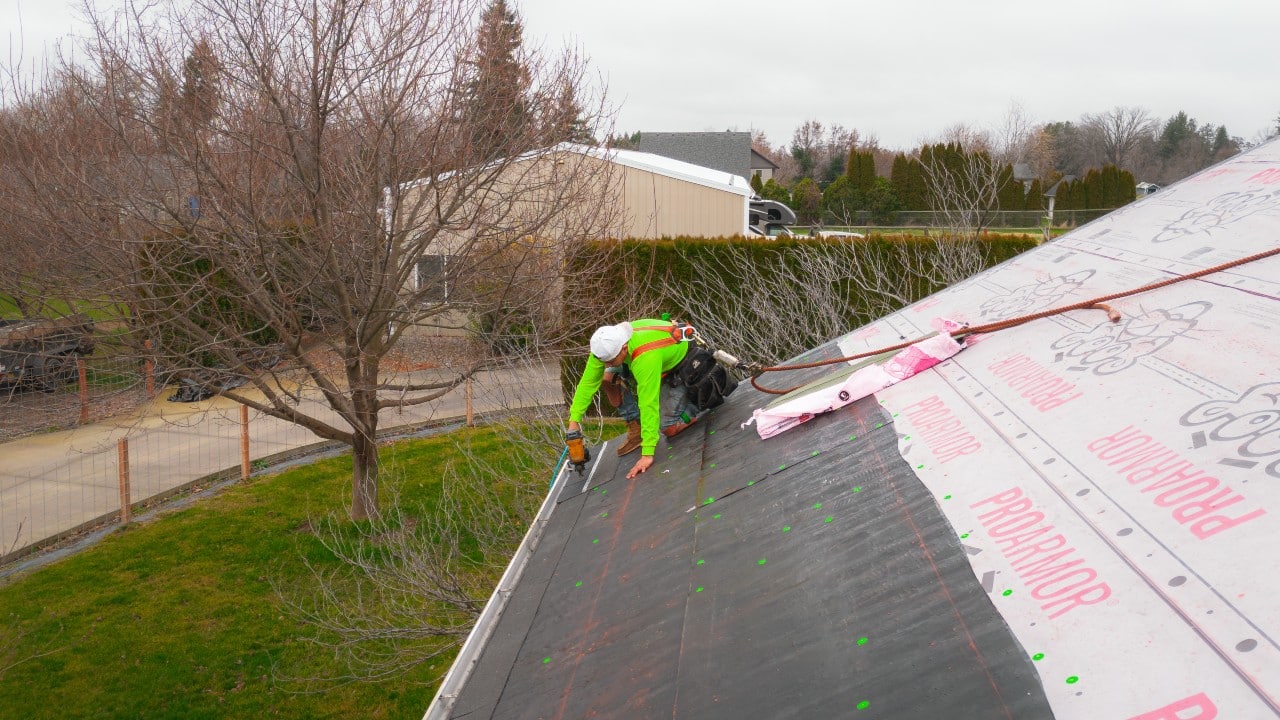
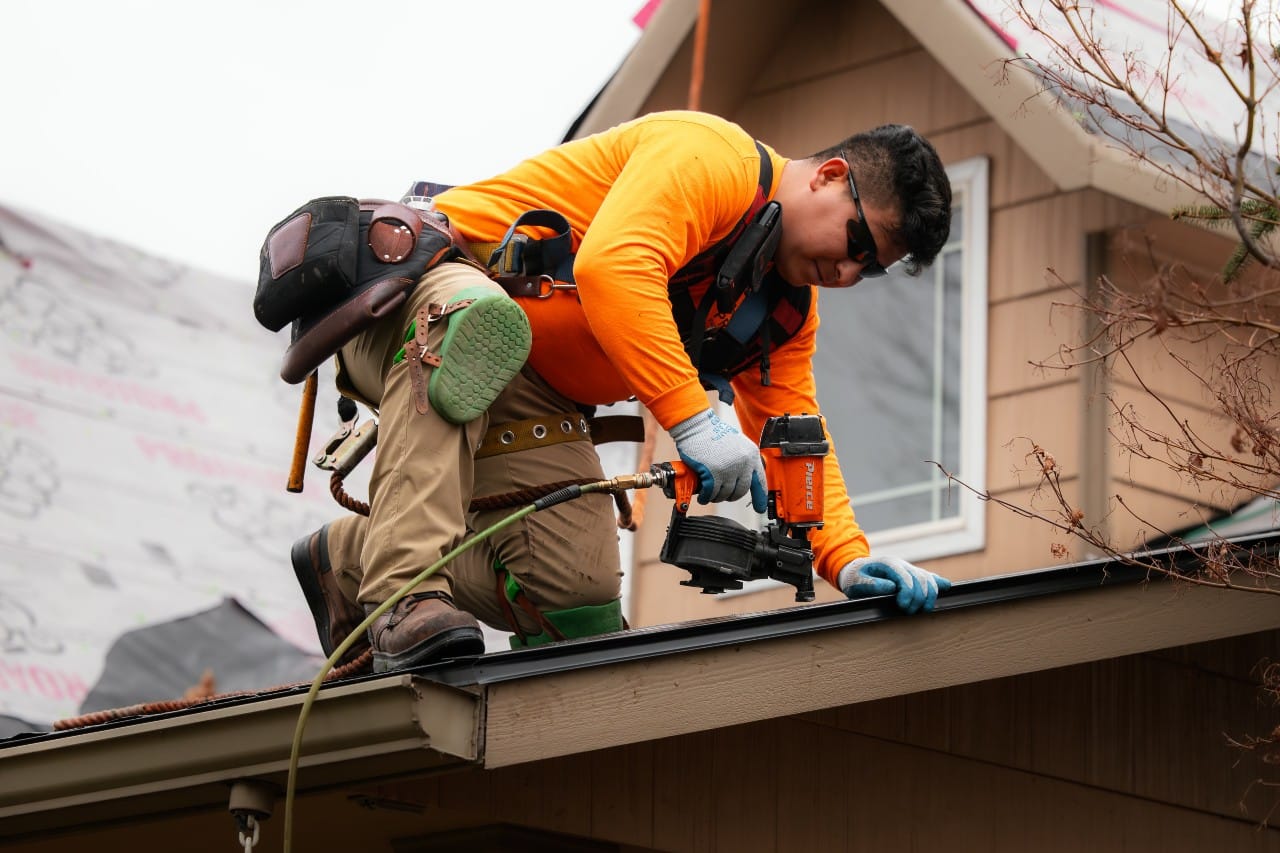
Storms can cause serious roofing problems in a matter of minutes. High winds, hail, falling branches, and heavy rain can leave property owners dealing with leaks, missing shingles, structural concerns, and costly water damage.
In these situations, knowing what to do next can make a major difference in protecting your home or commercial property.
A fast response after severe weather is essential because even minor roof damage can quickly escalate. Water intrusion spreads rapidly through insulation, ceilings, walls, and electrical systems.
That is why emergency roof repair should never be delayed when storm damage threatens the integrity of your building.
The good news is that property owners can take practical steps immediately after a storm to reduce damage, stay safe, and prepare for professional help. From temporary protection measures to navigating insurance claims, understanding the emergency process helps reduce stress during a difficult situation.
In this article, we’ll cover:
- Immediate safety steps to take after major emergencies
- Temporary fixes to prevent further harm
- What constitutes a roofing emergency
- Why it’s best to work with a company experienced in emergency repairs
Immediate Safety Steps After Storm Damage

After severe weather passes, safety should always come first. Before attempting any inspection, make sure the area is safe to access. Downed power lines, unstable structures, and hidden water damage can create dangerous conditions.
If your roof has suffered major impact damage or part of the structure appears compromised, evacuate the property immediately. Sagging ceilings, cracked walls, or visible structural shifting may indicate serious instability that requires emergency attention.
Water intrusion can also create electrical hazards. If water is leaking near outlets, appliances, or electrical panels, avoid those areas and contact emergency services or your utility provider if necessary.
In some cases, emergency responders should be contacted before an emergency roof repair contractor. Fire, gas leaks, structural collapse risks, or live electrical hazards require immediate professional emergency services before roofing work begins.
Safely Assessing Storm Damage
Once conditions are safe, perform a visual inspection from ground level. Never climb onto a storm-damaged roof yourself. Wet surfaces, hidden weak spots, and loose materials make damaged roofs extremely dangerous.
From the ground, look for:
- Missing or lifted shingles
- Bent flashing or exposed roofing materials
- Fallen tree limbs
- Debris accumulation
- Sagging rooflines
- Damaged gutters or downspouts
- Visible holes or punctures
Inside the property, signs of storm damage roof repair needs may include:
- Water stains on ceilings or walls
- Active dripping
- Damp insulation
- Mold odors
- Bubbling paint
- Warped drywall
Some situations require immediate emergency roof repair, especially when large portions of roofing material are missing or when water is actively entering the structure. A professional inspection is necessary anytime structural damage, widespread leaks, or significant wind damage is suspected.
Temporary Protection Measures
Temporary protection is often the first step after major storm damage. The goal is to prevent additional water intrusion until permanent repairs can be completed.
Professional emergency tarping is one of the most common temporary solutions. Heavy-duty tarps can protect exposed roof decking and reduce further interior damage. Roofing professionals also secure loose materials that could become airborne hazards during additional storms.
Property owners can take limited protective measures themselves if conditions are safe. For example:
- Place buckets under active leaks.
- Move valuables away from water.
- Use towels or plastic sheeting to protect furniture.
- Remove standing water when possible.
However, property owners should avoid climbing on roofs, performing structural repairs, or attempting complex storm damage roof repair work without professional assistance. Improper temporary fixes can worsen damage or create safety risks.
When Emergency Roof Repair Is Urgent

Not all roofing issues require emergency service, but some situations should never wait.
Emergency roof repair is typically urgent when:
- Water is actively entering the property.
- Large sections of roofing are missing.
- Structural components are exposed.
- Roof decking is vulnerable to additional rain.
- Storm damage creates safety hazards.
- Commercial operations are threatened.
Even small leaks can become serious if ignored. Moisture spreads quickly behind walls and ceilings, causing hidden structural deterioration. Delaying storm damage roof repair can lead to insulation damage, electrical issues, mold growth, and expensive interior restoration.
Documenting Damage for Insurance
Proper documentation is important for insurance claims after storm damage. The more organized your records are, the smoother the claims process will likely be.
Start by photographing all visible damage from safe locations. Take pictures of:
- Exterior roof damage
- Fallen debris
- Water intrusion
- Damaged ceilings or walls
- Temporary protection measures
Record the date and details of the storm, including hail, wind, or heavy rainfall conditions if possible.
Keep receipts for emergency tarping, water mitigation, and other protective measures. Insurance policies often cover reasonable emergency expenses intended to prevent additional property damage.
Professional roofing contractors can also provide documentation to support your claim. Many emergency roof repair specialists offer inspection reports, moisture assessments, and repair estimates designed to help insurance adjusters understand the full scope of damage.
What to Expect from Emergency Services
After a major storm event, roofing companies often experience extremely high demand. Response times may vary, depending on the severity of regional damage and contractor availability.
In most cases, emergency roof repair services happen in phases:
- Emergency response and inspection
- Temporary protection measures
- Insurance documentation
- Permanent repair planning
- Full restoration work
Temporary repairs focus on stabilization and water prevention. Permanent storm damage roof repair may take longer depending on material availability, weather conditions, and insurance approval timelines.
Avoiding Storm-Chasing Contractor Scams
Unfortunately, severe weather often attracts storm-chasing contractors looking to take advantage of vulnerable property owners.
Be cautious of contractors who:
- Arrive unsolicited immediately after storms
- Pressure you into signing contracts quickly
- Demand large upfront payments
- Lack local references
- Can’t provide proof of insurance or licensing
- Offer unusually low pricing
Always verify contractor credentials before agreeing to emergency roof repair services. Established local companies with a long-standing community presence are typically the safest option.
Insurance Claim Process
Contact your insurance provider as soon as possible after storm damage occurs. Prompt reporting helps initiate the claims process and may reduce delays.
When working with adjusters:
- Provide all documentation and photographs.
- Share contractor inspection reports.
- Keep communication records organized.
- Understand your deductible responsibilities.
Coverage limits and exclusions vary by policy, so reviewing your specific insurance terms is important. A knowledgeable storm damage roof repair contractor can often help explain repair estimates and communicate directly with insurance representatives when needed.
Prioritizing Repairs During Peak Demand
After widespread storms, contractor schedules fill quickly. Roofing companies often prioritize the most severe emergencies first, using a triage approach.
Properties with active leaks, structural concerns, or exposed interiors are usually addressed before less urgent cosmetic damage. While this can be frustrating, prioritization helps prevent the greatest levels of property loss.
Property owners should prepare for realistic timelines during major regional storm events. Material shortages, permitting requirements, and weather delays can all impact scheduling.
Long-Term Repairs vs. Emergency Fixes

Temporary emergency measures are designed to stabilize the situation, not permanently solve roofing problems.
Tarping, sealing, and temporary patching buy valuable time while permanent repairs are planned. In some cases, targeted repairs are enough to restore the roof fully. In other situations, severe storm damage may require partial or full roof replacement.
A professional storm damage roof repair inspection helps determine the best long-term solution based on:
- Age of the roof
- Extent of structural damage
- Material condition
- Insurance coverage
- Future weather resistance
Coordinating emergency stabilization with permanent restoration guarantees your property receives both immediate protection and durable long-term performance.
Storm Preparedness for Future Events
Preparation before storms occur can reduce damage and improve emergency response times.
Property owners should schedule regular roof inspections to identify vulnerabilities before severe weather strikes. Preventive maintenance helps detect loose shingles, damaged flashing, clogged drainage systems, and aging materials that may fail during storms.
It is also helpful to keep emergency contact information readily available for trusted roofing professionals. Establishing a relationship with a reputable emergency roof repair company before disaster strikes often leads to faster service during high-demand periods.
Understanding your roof’s vulnerabilities allows you to make proactive improvements that strengthen storm resistance and reduce future repair costs.
Storm Damage? Get Fast, Reliable Emergency Roof Repair from Palmer Roofing!
When severe weather damages your roof, every minute counts.
At Palmer Roofing, our experienced team provides rapid emergency roof repair response 24/7, protecting your property from further damage and giving you peace of mind during stressful situations. We handle everything from emergency tarping to complete storm damage roof repair, and we work directly with your insurance company.
Don’t wait for small problems to become disasters or fall victim to storm-chasing scammers.
Contact Palmer Roofing now for immediate emergency assistance or to establish a relationship before the next storm hits. We’re here when you need us most!