The roof over your commercial building is working harder than you think. It shields operations from weather and drives your energy costs up or down. The roof also determines whether your next major capital expense hits in five years or thirty.
According to the Roofing Contractor 2025 Trends Report, 37% of contractors said TPO was their chief product, followed by PVC at 28% and EPDM at 24%.
Those numbers point to where the industry is heading, but they don’t tell you which commercial roofing systems make sense for your property.
That’s what we’re here to help with. In this blog post, you’ll learn:
- The four common types of commercial roofing and how each roof performs over time
- Durability factors that influence which roofing system fits your property
- What to look for when selecting commercial roofing companies for installation and maintenance
TPO (Thermoplastic Polyolefin) Roofing

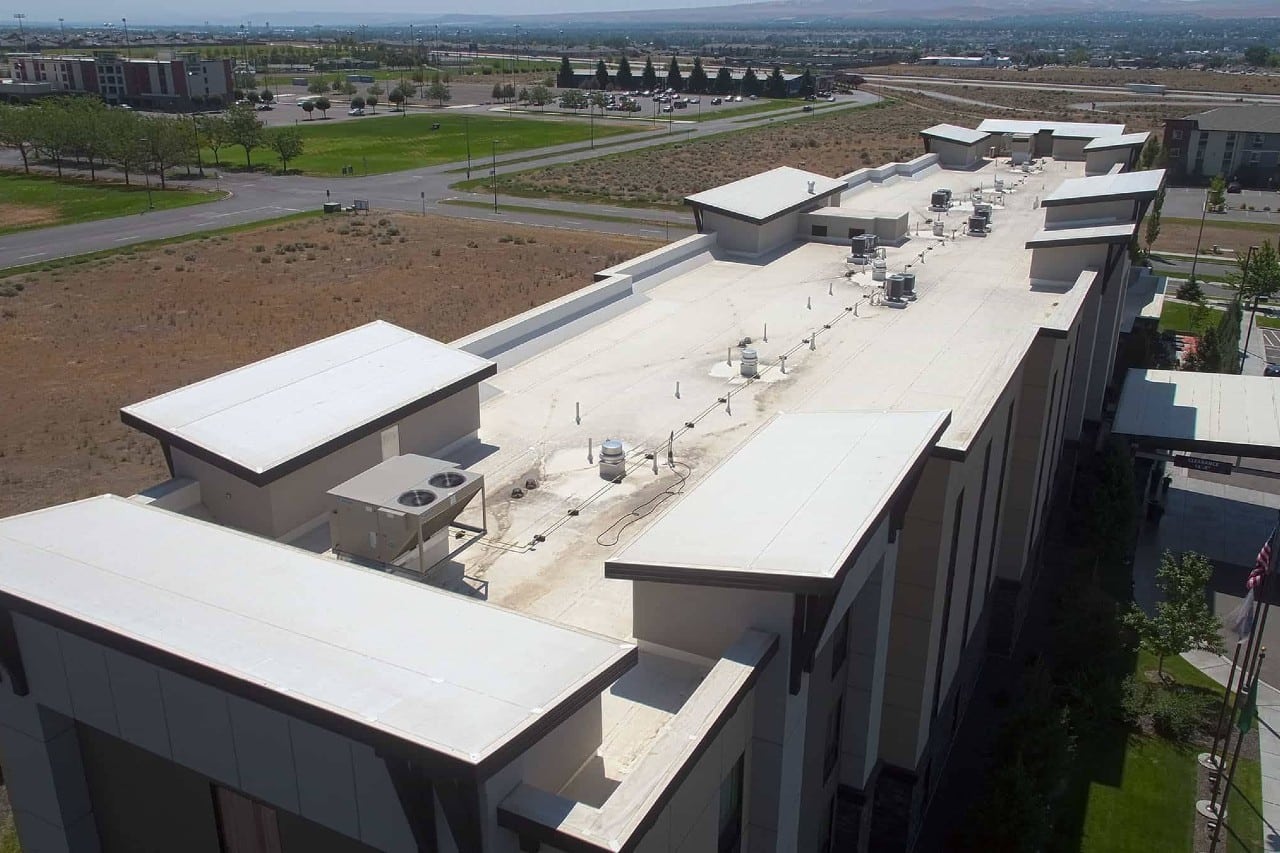
TPO has earned its place as one of the most popular types of commercial roofing for commercial buildings. This single-ply roofing system features a bright white roof membrane that reflects sunlight, resists UV damage, and is expected to last 20 to 30 years.
Energy Efficiency Benefits
The reflective surface lowers rooftop temperatures and reduces indoor air-conditioning loads. For warehouses, office complexes, and retail centers with heavy cooling demands, reducing cooling costs offsets a meaningful portion of the initial investment.
Best Applications and Maintenance
TPO works best on flat roofs and low-slope roofing applications, making this roofing system ideal for warehouses, manufacturing facilities, and large-format retail. Annual roof inspections, prompt attention to seam separation, and clearing debris from drains protect the watertight seal that TPO membranes are known for.
EPDM (Rubber) Roofing
EPDM has been protecting commercial buildings for more than 60 years, and that track record is exactly why this roofing system remains a go-to choice for cost-conscious building owners. The synthetic rubber membrane withstands temperature swings, hail, and UV exposure without degrading.
Long-Term Performance and Weather Resistance
EPDM roofing membranes typically last 25 to 30 years, with well-maintained systems often exceeding that mark. The material stays flexible in extreme cold and resists cracking under tough conditions, making it a strong fit for buildings in regions with brutal winters or wide temperature shifts.
Hail resistance is another advantage. EPDM absorbs impact rather than shattering, and the membrane’s puncture resistance protects against falling debris and rooftop foot traffic.
Cost-Effectiveness and Ideal Use Cases
EPDM delivers some of the lowest installation costs among single-ply membranes, which makes it cost-effective for large flat roofs where square-foot pricing drives the budget. Warehouses and older buildings undergoing retrofit projects often land on EPDM as the right replacement for an existing roof.
The black membrane absorbs heat rather than reflecting it, so EPDM works better in cooler climates than in hot southern markets, where reducing cooling costs is the priority.
PVC Roofing Systems
PVC roofing membranes deliver premium durability for commercial buildings that face conditions other commercial roofing systems can’t handle. The hot-air-welded seams create one of the strongest watertight bonds in the industry, and the material resists chemicals and fire better than any other single-ply option.
Superior Chemical and Fire Resistance
PVC membranes stand up to chemical exposure that would degrade TPO or EPDM within years. Restaurants venting kitchen grease, manufacturing facilities releasing chemical exhaust, and industrial applications all benefit from PVC’s exceptional resistance.
The roofing material also offers increased fire resistance, which matters for buildings with strict insurance requirements or those housing flammable materials.
Longevity and Warranty Strength
PVC roofing systems routinely last 25 to 30 years, with premium installations carrying manufacturer warranties up to 30 years. According to Maximize Market Research, single-ply membranes, including TPO, PVC, and EPDM, held 47.12% share of the global commercial roofing market in 2025.
When PVC Is the Best Choice
PVC is the right call when chemical exposure, fire risk, or grease contamination are part of your building’s operating reality. The higher upfront cost compared to TPO or EPDM pays off through extended lifespan and reduced replacement frequency in demanding environments.
Metal Roofing Systems

Metal roofing stands apart from membrane options on the metric that matters most: longevity. A properly installed metal roof lasts 40 to 70 years, more than double the lifespan of most single-ply systems, which makes this roofing system the best investment for owners planning to hold a property long-term.
Strength and Structural Durability
Metal panels handle wind, hail, and snow loads that would damage other commercial roofing materials. The panels also reinforce the building’s underlying structure, adding rigidity that protects the rest of the structure over time.
Steep slope roofs are where metal truly shines, though standing-seam systems also perform well on lower pitches when properly engineered.
Energy Efficiency and Best Applications
Modern metal roofing comes with reflective coatings and a weatherproofing component that boost solar reflectivity and significantly cut cooling costs. The system fits a wide range of commercial buildings, from retail strip centers and agricultural facilities to schools and municipal buildings.
Premium upfront cost is offset by decades of low-maintenance performance, minimal maintenance demands, and steady energy savings.
Durability Factors to Consider
Choosing among different types of commercial roofing isn’t just about the material itself. The right roofing system for your building depends on factors that go beyond product specs, and ignoring them leads owners to replace roofs years earlier than they should.
Climate and Weather Exposure
Buildings in hot southern markets benefit from reflective roofing membranes that lower interior temperatures, while northern properties facing harsh weather and heavy snow loads often perform better with metal panels or EPDM that handles temperature swings without cracking.
Building Usage and Foot Traffic
Rooftop equipment, regular maintenance access, and foot traffic all stress a commercial roof. Properties with HVAC units, solar arrays, or frequent service visits need roofing components with puncture resistance and traffic and hail resistance built into the spec and tailored to the building’s exact use.
Roof Slope and Drainage
Flat roofs and low-slope roofing applications call for single-ply membranes or built-up systems with proper drainage, while steep-slope roofs open up metal and other options that shed water naturally.
Installation Quality
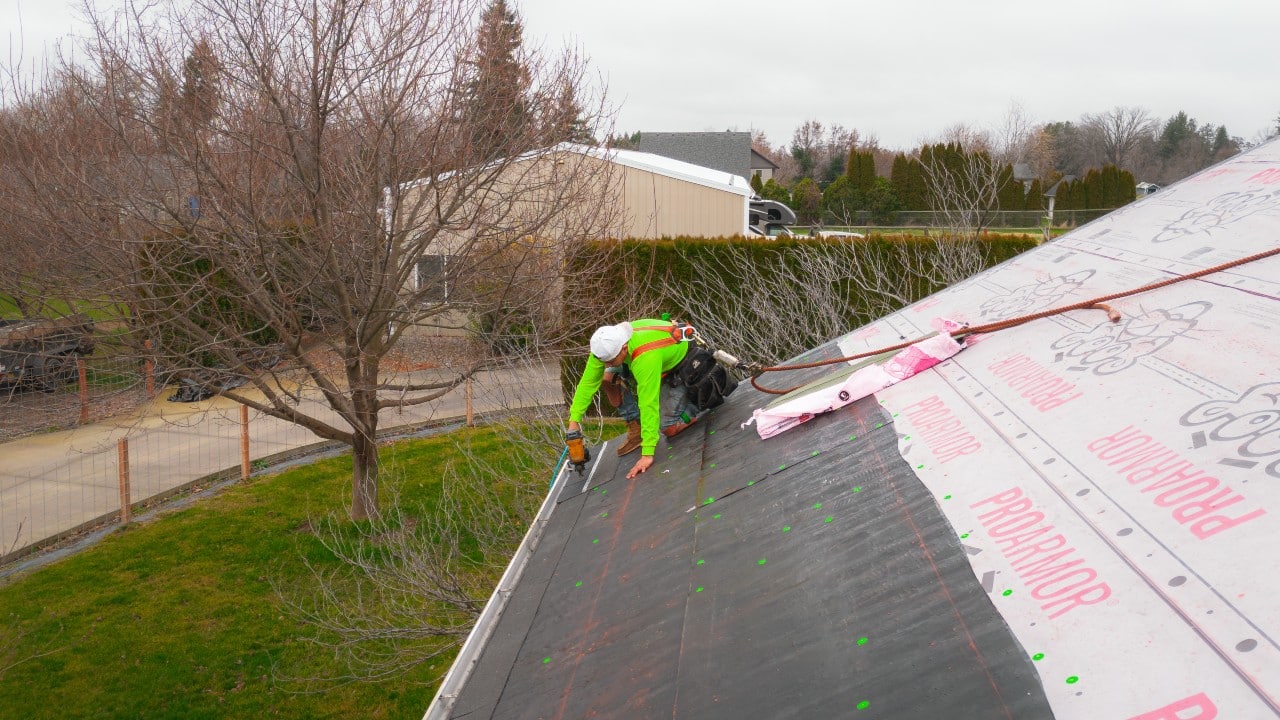
The best roofing materials in the world will fail if the roof is installed poorly. Professional installation by experienced commercial roofing companies, using the right installation methods for the specific membrane type, is the single biggest factor in whether your roof reaches its expected lifespan.
Maintenance for Extended Lifespan
Even the best commercial roofing systems fail early without consistent care. A maintenance program is the difference between hitting your roof’s full expected lifespan and replacing the existing roof 5 to 10 years prematurely.
Regular Roof Inspections
Twice-yearly roof inspections catch small issues before they become major repairs. Spring and fall checks let you address winter damage and prepare for the next storm season.
Preventive Maintenance Programs
Scheduled cleaning, drain clearing, and seam checks keep the roof performing at spec. Skipping this is the fastest way to void a manufacturer’s roof warranty.
Minor Repairs
A small puncture or seam separation costs very little to fix when caught early. Left alone, the same issue allows water to enter the roof assembly, turning a minor fix into a tear-off project requiring a new roof assembly.
Manufacturer Warranty Compliance
Most warranties require documented inspections and repairs by qualified professionals. Missing those requirements leaves you covering replacement costs that should have been the manufacturer’s responsibility.
Building owners who invest in regular maintenance typically extend roof life by 5 to 10 years and avoid the operational disruption of an unplanned new roof. The math strongly favors staying ahead of problems.
Energy Efficiency and Sustainability
Modern commercial roofing systems do more than keep the weather out. Cool roofing options like white TPO membranes and reflective metal panels lower rooftop temperatures by 50 degrees or more on hot days, which translates directly into lower air-conditioning loads and energy savings year after year.
Sustainable roofing materials also factor into the decision. Recyclable membranes, cool roof certifications, and LEED credits add value for owners pursuing green building certification or marketing to environmentally conscious tenants.
Choosing the Right Commercial Roofing Company

The commercial roof you install is only as good as the team that installs it. Even premium roofing materials underperform when handled by inexperienced crews, while skilled installers stretch the lifespan of every roofing system they touch.
When evaluating commercial roofing companies, focus on these qualifications:
- Expertise across all major commercial roofing systems. A strong installer brings deep working knowledge of TPO, EPDM, PVC, and metal, not just the system they push hardest.
- Quality installation that maximizes system lifespan. Manufacturer-certified crews protect your warranty and follow the specs that get a roof to its full expected lifespan.
- Honest building assessments. The right company recommends the system that fits your climate, usage, and budget, even when that means a less expensive option.
- Comprehensive maintenance and long-term partnership. A roofing company worth hiring stays available for inspections, repairs, and warranty support for the full life of your existing roof.
Vetting commercial roofing companies on these qualifications upfront saves enormous frustration later. The wrong roof choice leads to leaks, voided warranties, and premature replacement, while the right choice delivers decades of reliable performance.
Invest in a Roof That’s Actually Built to Last
A commercial roof shapes your property’s performance and operating costs for decades. That’s why choosing the right commercial roofing system is an important decision affecting your property’s protection and operating costs for decades.
Our experienced team will assess your building’s specific needs, clearly explain your options, and recommend the most durable, cost-effective solution for your situation. Contact Palmer Roofing today for a comprehensive roof evaluation and detailed proposal. Call now to schedule your consultation with commercial roofing companies that prioritize your building’s lasting protection!